What Does “Trauma-Informed Design” Actually Mean?
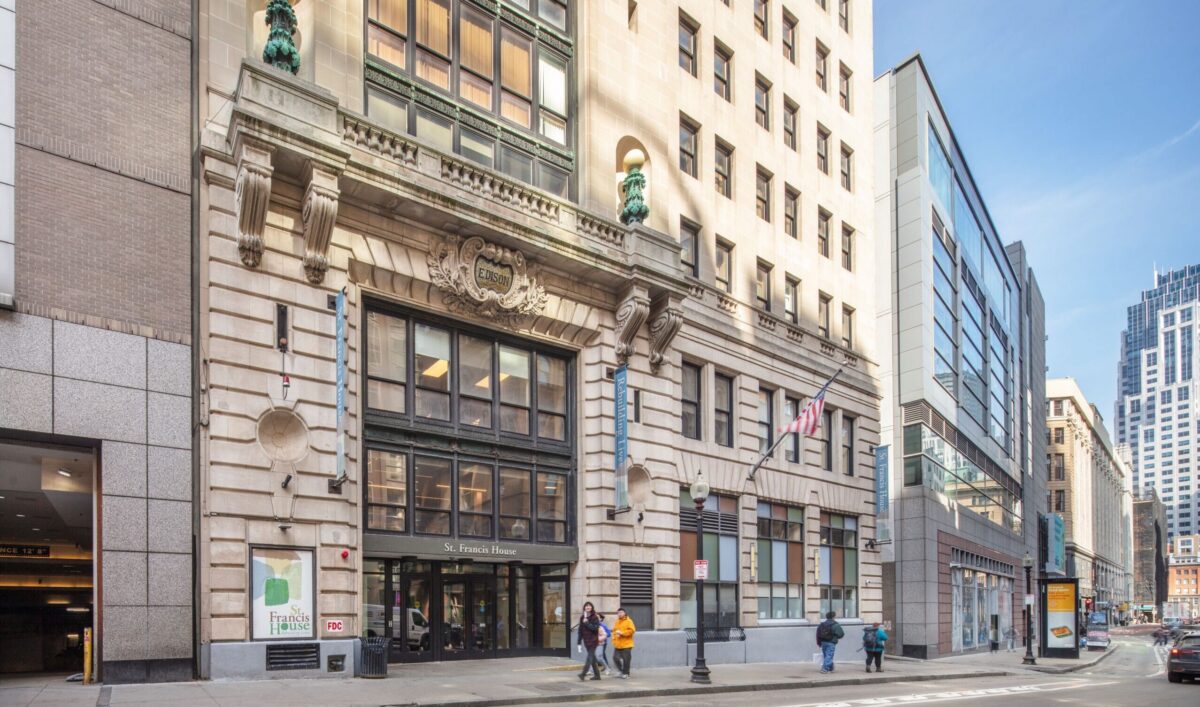
Trauma-informed design (TiD) is an approach to architecture that integrates research on what helps people feel safe, secure, and emotionally regulated in spaces. Senior Associate and Director of Interior Design, Meghann Van Dorn shares with dwell how projects like TAT’s St. Francis House make this architectural approach more than just an industry buzzword.
By Diana Budds
Trauma-informed design has become an architectural buzz phrase. The approach entered the design field in the 2010s and continued to slowly grow through the middle and end of the decade before becoming more prevalent in the last few years.
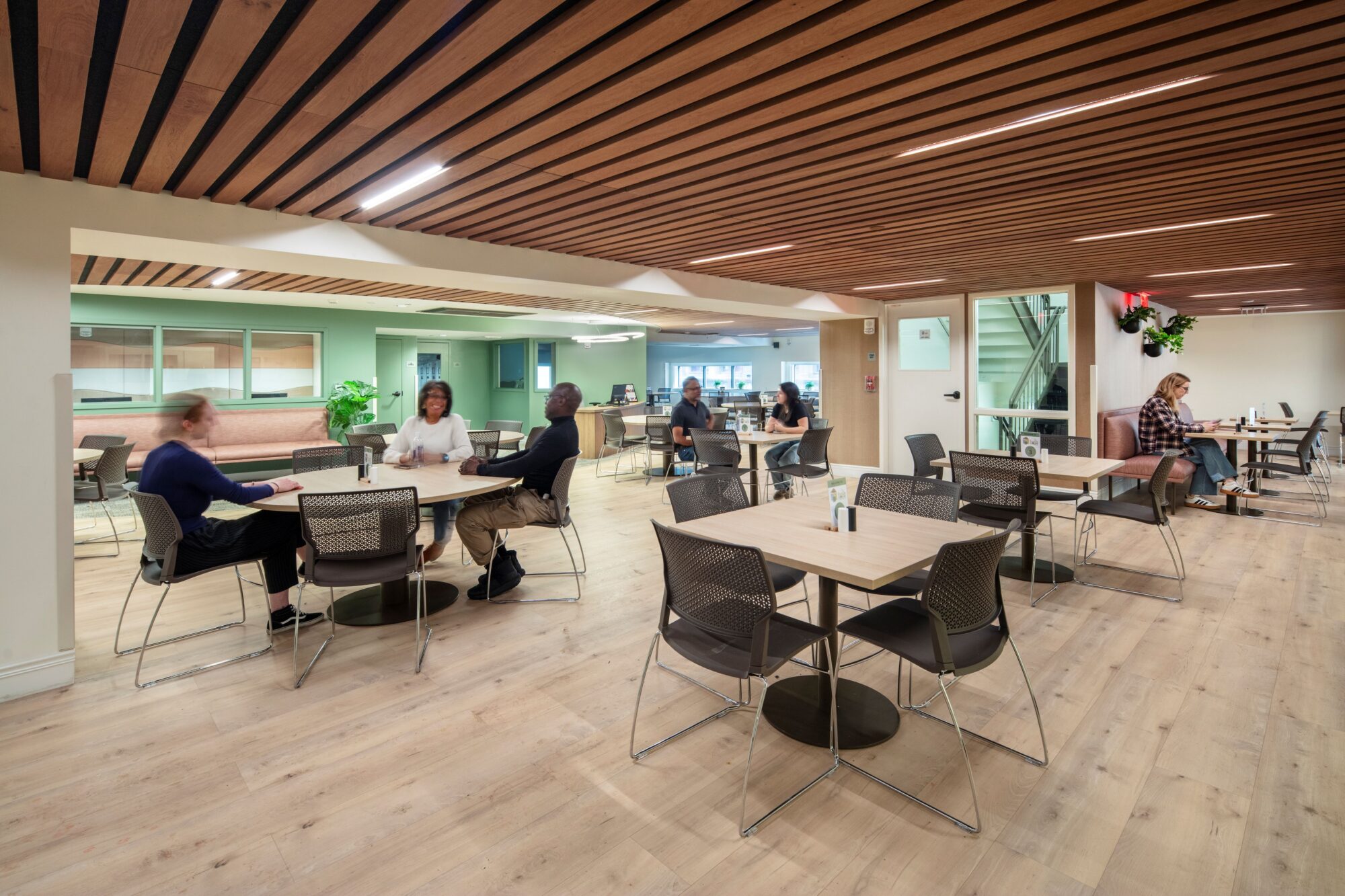
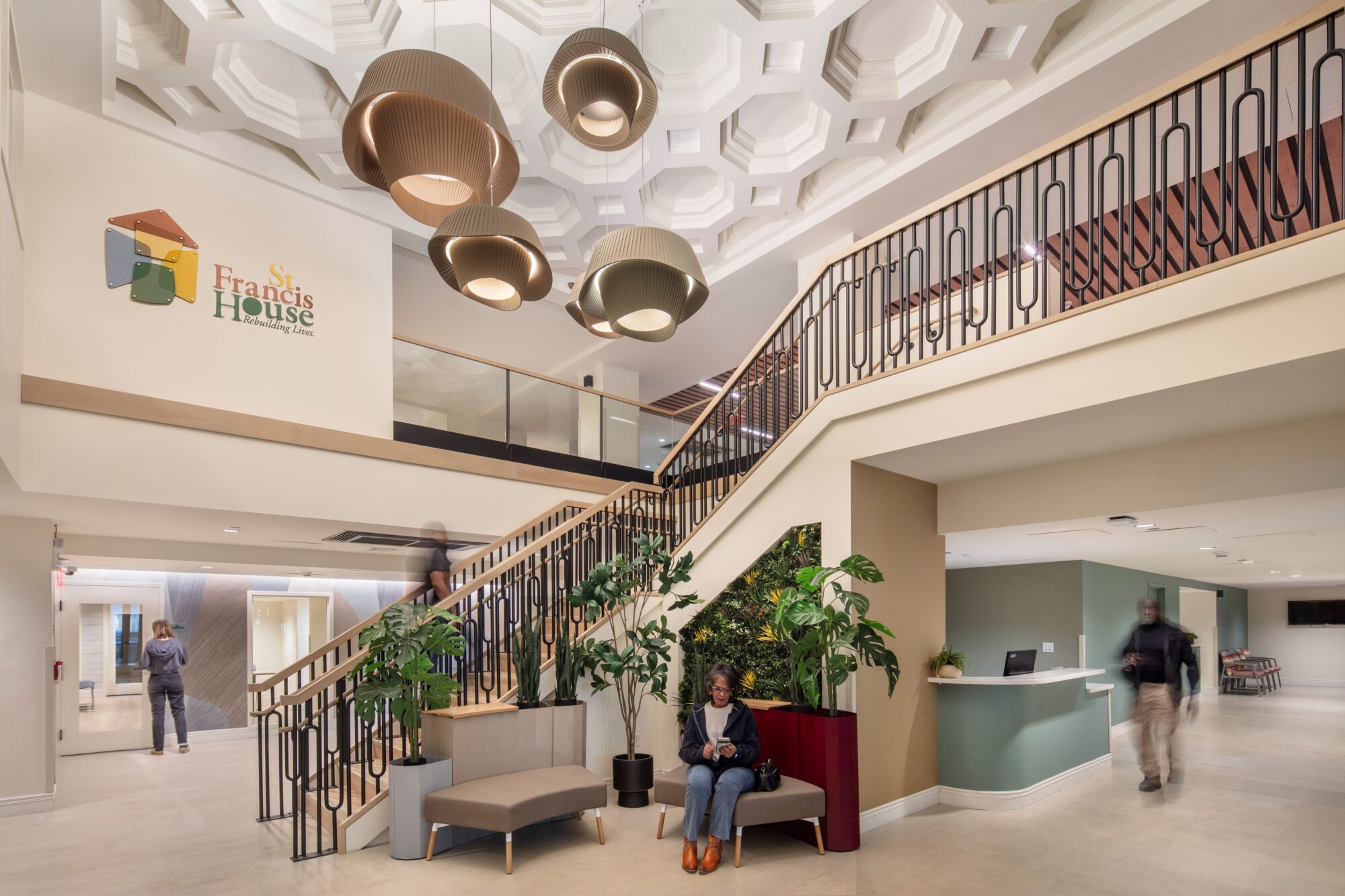
In her interviews with staff at [St. Francis House] back in 2022, [Meghann Van Dorn] says no one used the phrase “trauma-informed design,” but nearly every discussion emphasized wanting its outcomes, namely a space that made its clients feel safe. For example, making sure there was enough circulation room so that shelter clients could keep their belongings in sight was critical, as was avoiding dead-end hallways or confined spaces, and letting in natural light. The project team also designed a women-only area that resembled an apartment and a “shop” where clients can select free goods like toiletries and clothing that looks just like a real retail area with a checkout stand.
Continue reading on dwell
"You want to nurture a sense of hope and their own personal control over their future. It should reassure people that they’re protected where they are now and that now is providing a sense of future possibility."
Meghann Van Dorn, TAT Senior Associate + Director of Interior Design