
Lawrence, MA
Architizer A+ Awards | 2025 Winner Sustainable Adaptive Reuse
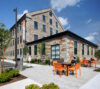
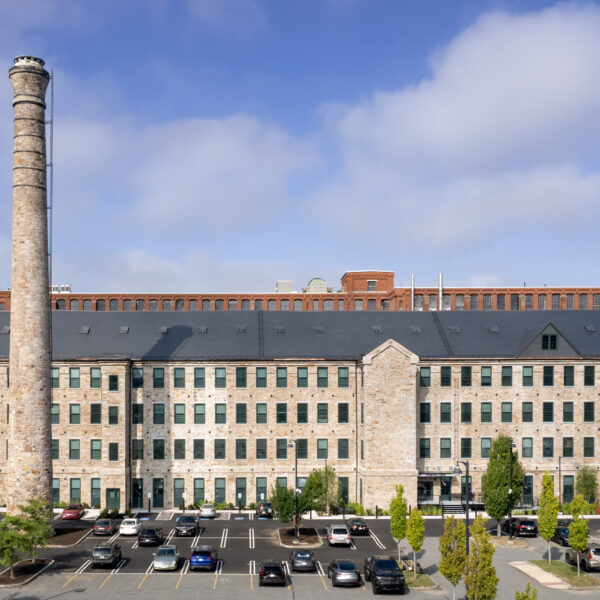
Stone Mill Lofts is designed to be completely fossil fuel-free and have an ultra-efficient envelope whose performance is competitive with a modern Passive House development.
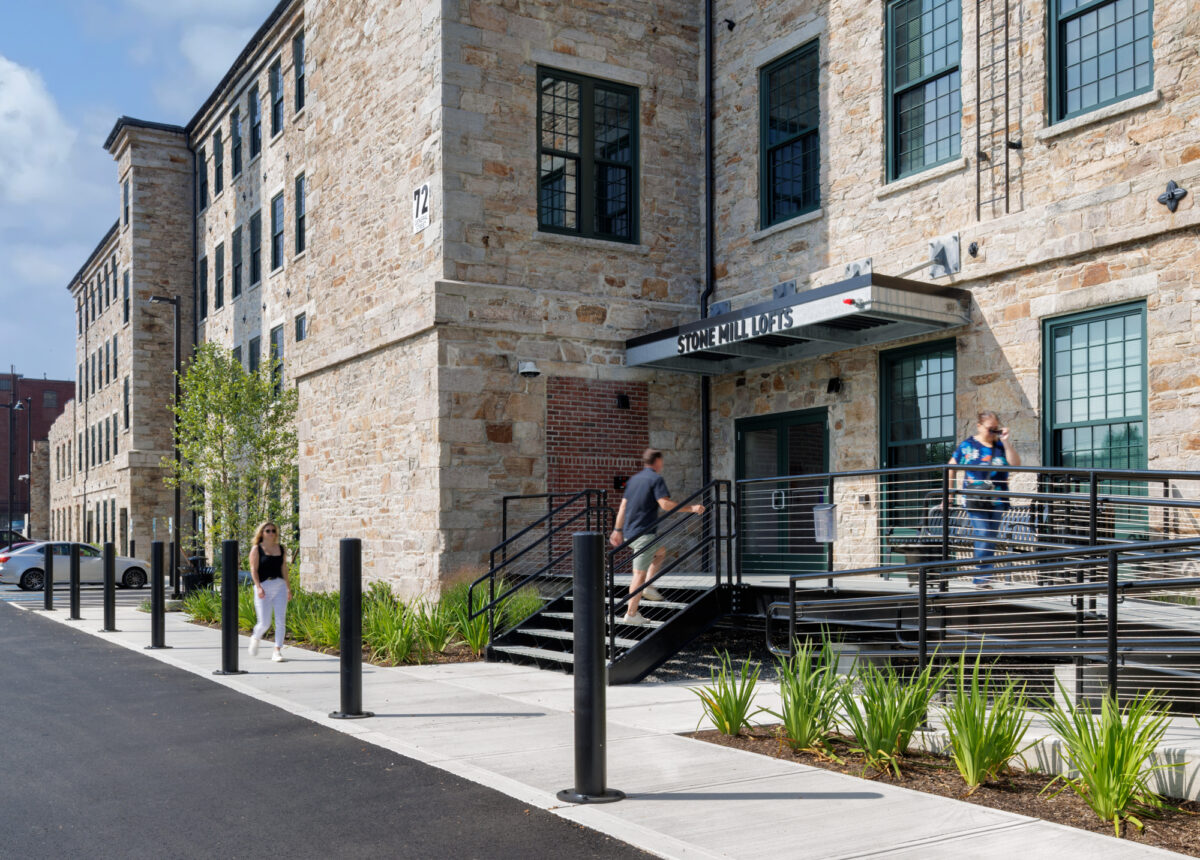
Stone Mill Lofts was featured in an editorial by Architizer, where TAT’s project serves as an example for the industry about how sustainability can be a successful and integral part of design and not just a marketing buzzword.
“Sustainable” has become architecture’s most overused and least interrogated word.
As someone who reads architects’ project descriptions for a living, several things have become quite clear to me. First of all, the term sustainability appears in project descriptions as a reflex — appended to the end of a paragraph, followed by a brief list of certifications, material percentages or mechanical systems. More often than not, it is treated as a virtue signal, a technical compliance note or a marketing tag. Rarely is it positioned as the architectural premise.
The problem is not that architects lack commitment to environmental performance; rather, it’s that sustainability has been flattened into branding language. When everything is described as sustainable, the word stops meaning anything; and when the meaning of a word is vague, it becomes expendable.
Another dimension of sustainability’s branding problem is economic. Many clients still equate environmental ambition with additional cost (premium materials, complex systems, extended timelines, etc.). And architects are partly responsible for this perception. When sustainability is described as a collection of add-ons, it reads as extra. When it is embedded in form, orientation, material selection and long-term adaptability, it becomes integral. Presented this way, it is more easily argued and demonstrated that a building rooted in the logic of green transition becomes more cost-effective over time.
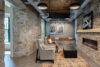
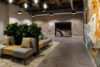
Projects like Stone Mill Lofts exemplify how adaptive reuse can reduce embodied carbon while preserving character and controlling costs. Read the project’s description on Architizer — the future-forward environmental decisions are baked into every aspect of the design’s explanation.
Read the entire article in Architizer Journal.




Architizer A+ Awards | 2025 Winner Sustainable Adaptive Reuse
Stone Mill Lofts is designed to be completely fossil fuel-free and have an ultra-efficient envelope whose performance is competitive with a modern Passive House development.
2025 Metamorphosis Award | Retrofit Magazine
Stone Mill Lofts captured Second Place in the Metamorphosis Awards’ Adaptive Reuse category. Retrofit Magazine’s annual awards recognize outstanding work retrofitting commercial, industrial, institutional, and residential buildings.

MFE Awards | 2025 Mixed-Income Merit Winner
Stone Mill Lofts’ transformation from a former mill into an energy-efficient building that is expected to use 46 percent less energy and emit 33 percent fewer greenhouse gases than a typical gas-fired multifamily structure, allowing the building to become a 21st-century housing model for the future.

Paul & Nikki Tsongas Award | Preservation Massachusetts 2025
This innovative adaptive reuse project has transformed a nearly 200-year-old mill building into one of the region’s most energy-efficient all-electric apartment communities, meeting ambitious energy code requirements and strict historic preservation guidelines.